Dear No One,
Let’s talk about adoption language. This is not to criticize anyone who says or has said any of these things to me. It is simply informative, so we can all continue to grow and learn as the modern day families are changing. Believe me, I’m continuing to learn more about adoption every day.
The best thing anyone can do if they feel uncomfortable about what to say is to ask me. I will answer (the best I can) with absolutely no judgment.
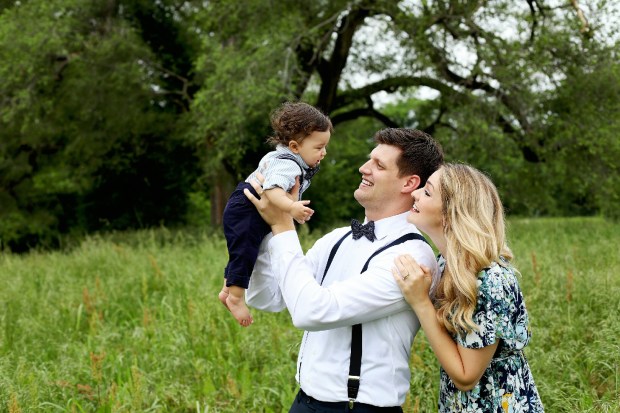
First, this may sound like an easy one, but I get it a lot. Marcus is Daxon’s Daddy. I am his Mommy. He also has a birth mom and birth dad, but even they call Marcus and I mom and dad. If you are talking about his “real parents” that is Marcus and me. If you are talking about who he shares genetics with or who carried him for nine months, those are his birth parents.
Why is this important? This is not to spare my feelings. This is for Dax. How confusing would it be to have people asking about your mom but they aren’t talking about me? Or his “real parents?” To him, we are his parents. Just like every kid at school, he lives with and is taken care of by his “real parents.” This does not take away from his birth mom. He is and always will be her son.
In the same respect, Daxon is our son too. He is not our adopted son. He is just as much our son as our biological son. And even though they don’t look alike, they are brothers.
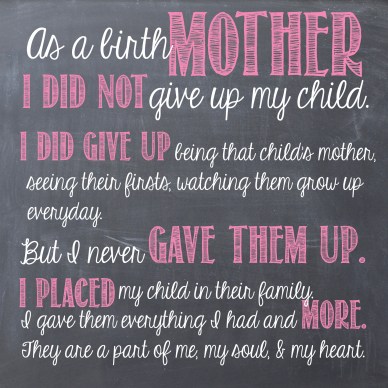
This second thing is what I want to stress the most, though. Daxon was NOT GIVEN UP. He was placed for adoption. His birth mom, stronger and braver and more loving than she knows, CHOSE adoption for her son. Again, what does that say if Daxon hears he was “given up?” And what does that tell a birth mom who may struggle the rest of her life thinking her child thought he was given up because he wasn’t loved?
“Given up” is negative. Placing a child for adoption, although complicated and difficult, is a positive decision. Choosing to parent is also a positive decision. And until that woman or family decides to place a child for adoption, they are simply that parents child. They are not a birth mom or birth dad.
This is hard when you are prospective adoptive parents. You want to instantly think of the child as yours, but they aren’t yours until the parents decide to place them for adoption and they have gone through all the legal processes.
Does all this sound a little confusing and messy? It is. Adoption is difficult and messy and beautiful and challenging.
Why am I writing this post? When I was in the hospital after delivering our second son, I was given a bunch of paperwork to fill out. On the back of the paper, I saw question 26…
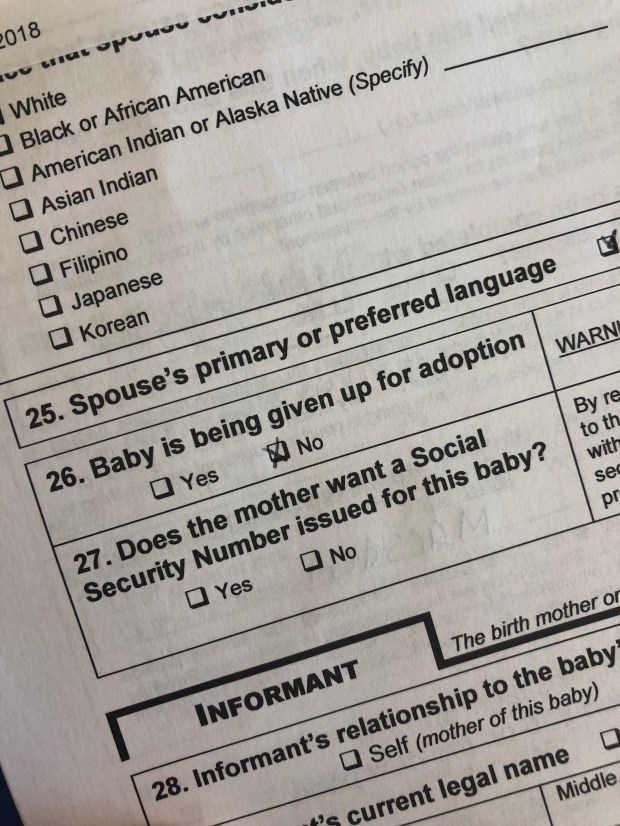
First, I cried. Then I got mad.
I put myself in the shoes of a parent considering adoption. The weight I felt in my heart was indescribable. Yet countless women make the most difficult, selfless, decision in the next couple days to place their child for adoption. Hormones raging, babies bonding, recovering from a physically and mentally draining experience.
After delivering Pace, I instantly felt even closer to Daxon’s birth mom. I got to experience the same journey and pain and hormones you experience during pregnancy, labor, and hours after. But I didn’t have the added stress of considering adoption and talking to a social worker and meeting random people that could potentially adopt your child. I just can’t imagine the pain or stress that brings. And then as they are filling out and signing discharge papers, they have to say they are “giving up” the child?
I understand someone slipping up and saying this. I don’t understand it being on paperwork. In the hospital. Filled out by a new mother considering adoption. I. Don’t. Understand.
You may think I’m overreacting. You may think it doesn’t sound like a big deal, but if you are any person within the adoption triad, it is.
If you support adoption, (which why wouldn’t you??) we need to support everyone within the triad. That means the birth parents before they even become birth parents. Let’s not make this decision anymore difficult for them than it already is. Let’s not add to the guilt they may already feel. Let’s show them the love and support they deserve.
In the end, this will only benefit everyone in the adoption triad and all of their relationships.
As I said before, no one expects you to say the right things all the time. Just be conscious that children can hear you. If you don’t know how to say something, ask. If you support adoption, support everyone within it. We are all learning and growing together. The more people that understand the intricate layers of adoption, the more people that can truly relate to and support my son and all children who have been adopted.
Thank you for taking the time to learn and grow with me and my family.
All my love,
Betsy




 Dear No One